
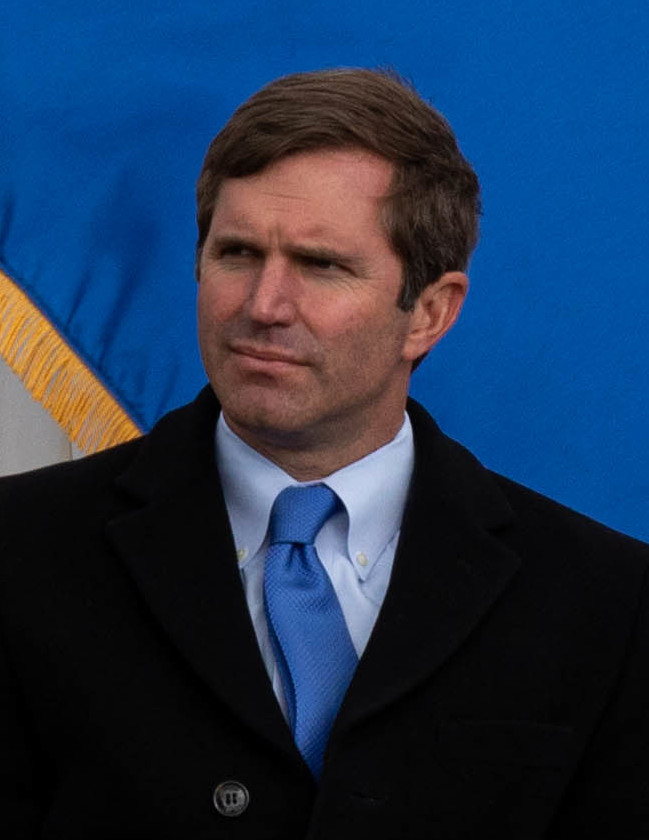
Looking forward to talking with @kwelkernbc on @MeetThePress this Sunday at 9 a.m. ET. I'll be joining from South Carolina, the state that just stood up and rejected Trump's redistricting attempt. Americans are ready for change, and Democrats are ready for November. https://t.co/76vQ2AzRdw
View original →Norma's Analysis
This tweet reveals several important democratic values and assumptions about political legitimacy. The speaker frames South Carolina's rejection of redistricting as the state having "stood up" - language that suggests moral courage and resistance against wrongdoing. This implies a virtue ethics framework where political actors have duties to resist what they see as unfair manipulation of democratic processes.
The phrase "Americans are ready for change" appeals to popular sovereignty - the idea that legitimate political power comes from the will of the people. This connects to social contract theory from philosophers like John Locke and Jean-Jacques Rousseau, who argued governments derive their authority from citizen consent. By claiming to know what "Americans" want, the speaker positions their party as the authentic voice of democratic will.
However, this framing raises important questions about political representation. The tweet assumes that one party's electoral success equals "what Americans want," but democratic theorists like Robert Dahl have noted the complexity of determining popular will in diverse societies. Whose voices count as representing "Americans"? The appeal also reflects what philosophers call majoritarianism - the belief that majority preference should determine political outcomes - but critics argue this can sometimes conflict with protecting minority rights or individual liberties.
The underlying moral framework suggests that democracy requires not just formal procedures like elections, but also procedural fairness in how those elections are conducted. This reflects a broader tension in democratic theory between different conceptions of justice and representation.