
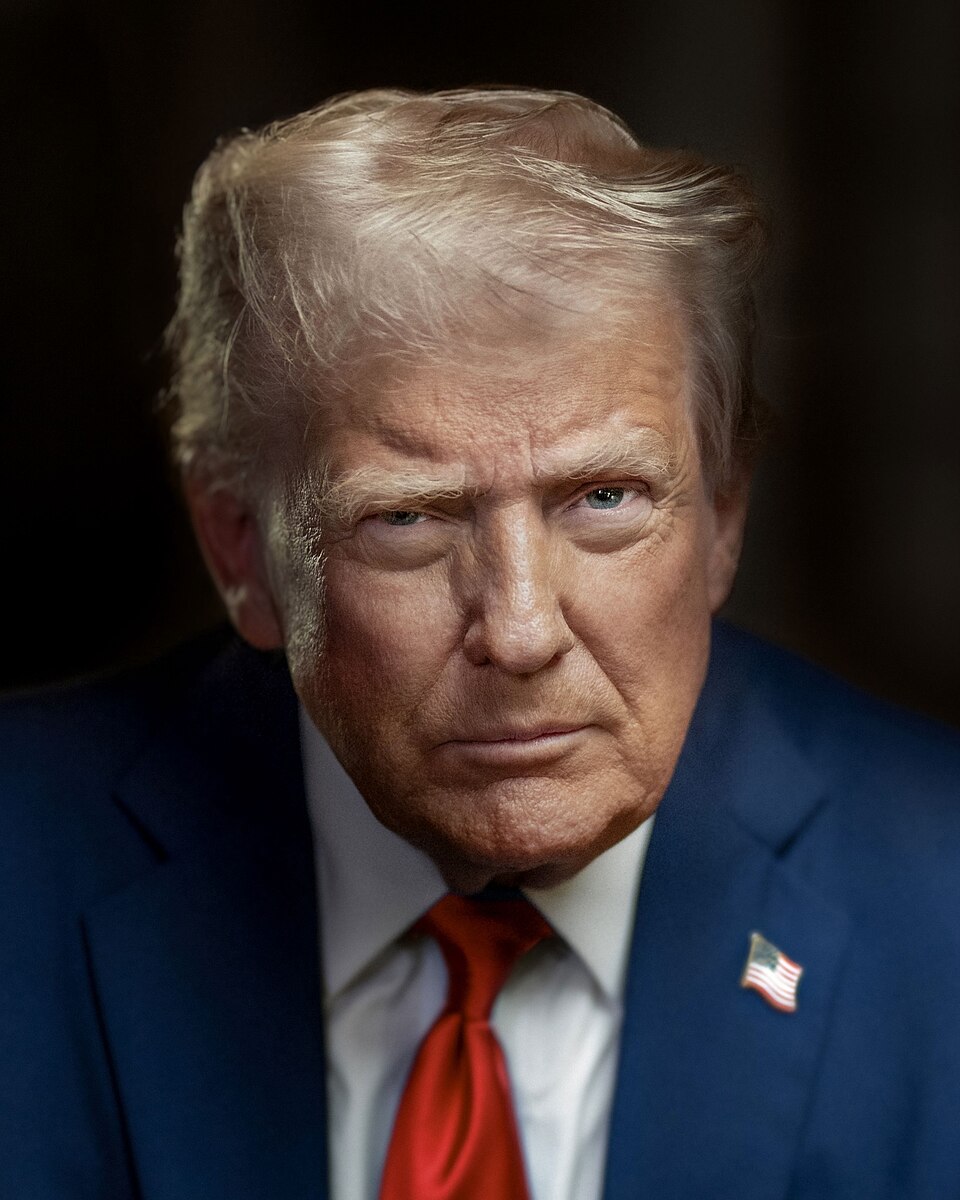
Horrible Congressman Thomas Massie put out an old Endorsement, from many years ago, of him by me long before I found out that he was the Worst Congressman in the History of our Country. I endorsed Ed Gallrein, a true American Patriot, which Massie knows full well, so the statement that he put out is fraudulent, just like HE is fraudulent. WITHDRAW YOUR FAKE STATEMENT, MASSIE, RIGHT NOW! President DONALD J. TRUMP
View original →Norma's Analysis
This tweet reveals several competing moral frameworks at work in political discourse. The core tension centers around authenticity versus loyalty - two values that don't always align in practice.
The demand that Massie "WITHDRAW YOUR FAKE STATEMENT" appeals to a deontological (duty-based) ethical framework that treats truthfulness as a fundamental moral obligation. From this perspective, misrepresenting an endorsement violates basic duties of honesty regardless of political consequences. However, the tweet simultaneously demonstrates how authenticity can be conditional - the speaker's own past endorsement is dismissed as outdated rather than acknowledged as a genuine change of mind.
The language of patriotism ("true American Patriot") introduces what philosophers call virtue ethics - the idea that moral worth comes from embodying certain character traits. But this raises deeper questions about who gets to define patriotic virtue and whether it should override other democratic values like pluralism and disagreement. The classical tension between loyalty and independent judgment appears here: Is a good representative one who remains loyal to particular leaders, or one who exercises independent moral reasoning even when it conflicts with party loyalty?
The tweet's moral logic reflects what some philosophers call particularist ethics - the view that moral judgments depend heavily on specific relationships and contexts rather than universal principles. This explains why the same behavior (using old endorsements) might be condemned in an opponent while being justified for oneself based on the particular relationship and circumstances involved.