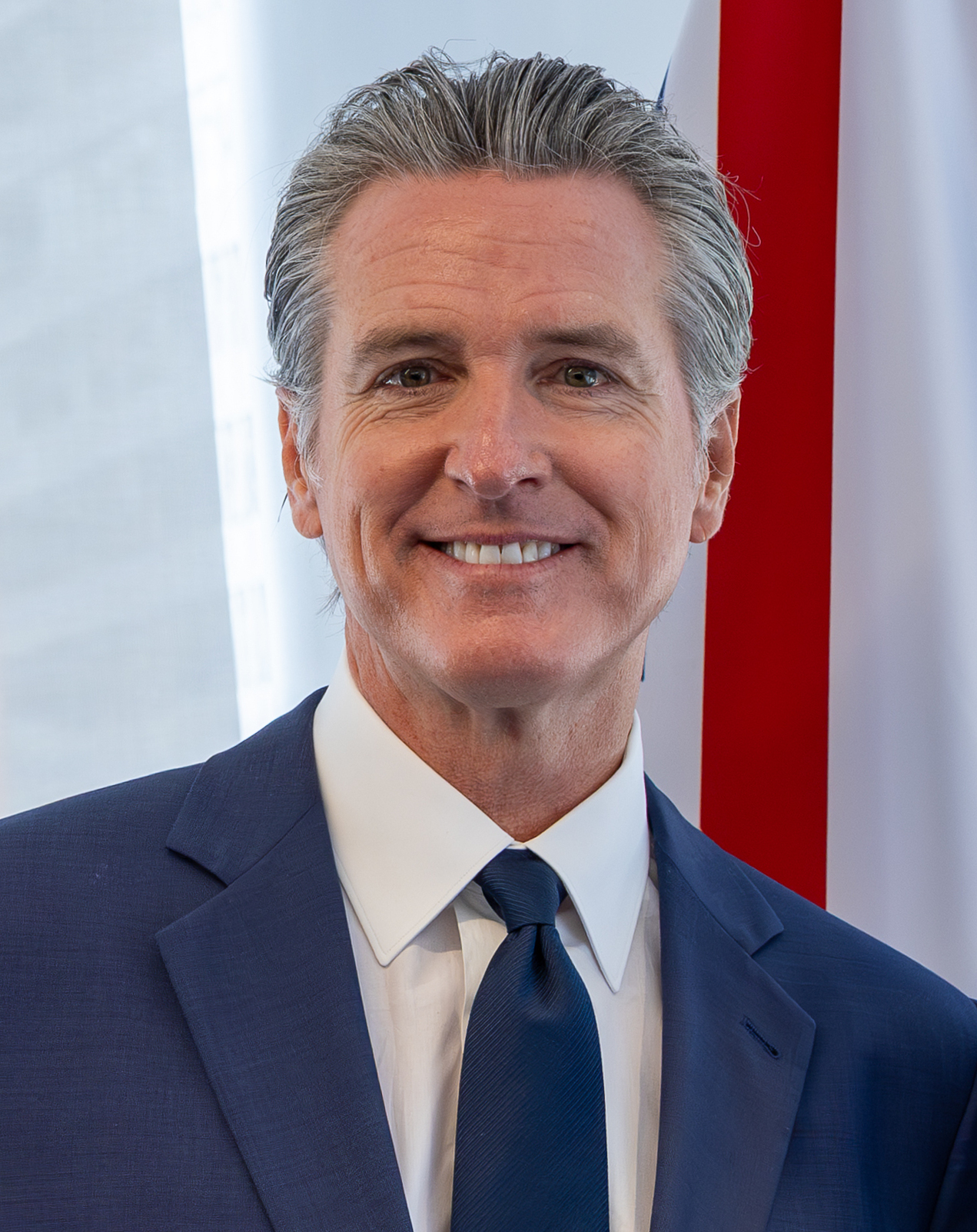
Gavin Newsom

Gavin Newsom

@GavinNewsom

Gavin Newsom
Gavin Newsom @GavinNewsom

Abortion is legal in California. It will remain that way. I just signed a bill that makes our state a safe haven for women across the nation. We will not cooperate with any states that attempt to prosecute women or doctors for receiving or providing reproductive care.

View original →
Norma's Analysis

This tweet reveals several competing moral frameworks at work in contemporary debates about federalism and reproductive rights. Governor Newsom frames California's position through the lens of sanctuary and protection - positioning the state as a "safe haven" that shields individuals from what he views as unjust prosecution by other states.

The underlying ethical framework here draws heavily on consequentialist thinking - the idea that actions should be judged by their outcomes rather than rigid adherence to rules. By refusing to cooperate with other states' laws, Newsom prioritizes what he sees as better outcomes (protecting women and doctors) over strict legal cooperation between states. This echoes philosophical debates about civil disobedience and when it's morally justified to resist laws we consider unjust - a tradition running from Henry David Thoreau to Martin Luther King Jr.

However, this position also raises important questions about democratic legitimacy and federalism. Critics might argue from a more deontological perspective (focused on duties and rules) that states have obligations to respect each other's democratically-enacted laws, even when they disagree. This touches on fundamental tensions in political philosophy: When do higher moral principles justify breaking or ignoring legal agreements? How do we balance local democratic decisions against broader moral claims?

The framing of women and doctors as needing "protection" also reveals assumptions about moral agency and paternalism - who gets to decide what constitutes harm, and whether state intervention is justified to prevent it. These are classic questions that philosophers have debated for centuries about the proper role of government in protecting individuals.

Gavin Newsom
Gavin Newsom @GavinNewsom

If they can handcuff a U.S. Senator for asking a question, imagine what they will do to you.

View original →
Norma's Analysis

This tweet appeals to several powerful moral values, most notably equal treatment under law and protection of civil liberties. The underlying argument follows a classic "slippery slope" reasoning: if authorities can treat a high-status person (a U.S. Senator) this way, then ordinary citizens face even greater risk of government overreach.

The statement draws on procedural justice - the idea that fair processes matter as much as fair outcomes. It suggests that "asking a question" should be protected speech, and that using handcuffs in response represents a disproportionate use of state power. This connects to liberal democratic values about checks and balances and the importance of protecting dissent, even from government officials.

However, the tweet presents an incomplete moral picture by omitting key context. A consequentialist might ask: what were the actual circumstances, and did the Senator's actions create harm that justified the response? The framing assumes the Senator was merely "asking a question" rather than potentially disrupting proceedings or violating rules. This selective presentation relates to how we balance individual liberty against collective order - a tension philosophers like John Stuart Mill explored in works like "On Liberty."

The appeal also relies on social contract theory - the idea that we grant government certain powers in exchange for protection, but that this arrangement requires limits and accountability. The tweet's emotional force comes from suggesting this contract has been violated, threatening the foundation of democratic governance itself.

Gavin Newsom
Gavin Newsom @GavinNewsom

There was no call. Not even a voicemail. Americans should be alarmed that a President deploying Marines onto our streets doesn’t even know who he’s talking to.

View original →
Norma's Analysis

This tweet makes several normative claims about proper governance that reflect deep philosophical commitments about democratic accountability and executive power.

The core moral framework here draws from procedural justice - the idea that how decisions are made matters as much as the decisions themselves. Newsom argues that deploying military force domestically requires proper consultation and communication protocols. This reflects a constitutional understanding of federalism where state and federal officials should coordinate, especially in situations involving potential use of force against civilians.

The tweet also invokes democratic accountability values by suggesting Americans should be "alarmed" by presidential actions taken without proper communication. This connects to longstanding philosophical debates about executive power versus deliberative democracy. Political theorists like John Stuart Mill argued that good governance requires transparency and consultation, while critics might counter with arguments about executive efficiency during emergencies, drawing from thinkers like Carl Schmitt who emphasized decisive action in crisis situations.

Finally, there's an implicit rule of law argument - that even presidents must follow established procedures rather than acting unilaterally. This tension between executive prerogative (the idea that leaders sometimes must act quickly without consultation) and constitutional constraints has been debated since political philosophers like John Locke first theorized about emergency powers. The tweet clearly favors the constitutional constraint side of this philosophical divide.

Gavin Newsom
Gavin Newsom @GavinNewsom

The attack on Charlie Kirk is disgusting, vile, and reprehensible. In the United States of America, we must reject political violence in EVERY form.

View original →
Norma's Analysis

This tweet makes several moral claims that deserve closer examination. Most prominently, it invokes the principle of absolute moral prohibition - the idea that certain actions are wrong regardless of context or consequences. By declaring political violence must be rejected "in EVERY form," Newsom adopts what philosophers call a deontological approach, which judges actions as inherently right or wrong rather than based on their outcomes.

The statement also appeals to national identity as a source of moral authority. The phrase "In the United States of America" suggests that rejecting political violence is part of what defines American values - connecting moral behavior to patriotic duty. This reflects a communitarian ethical framework, where moral obligations arise from our membership in particular communities and their shared traditions.

However, this absolute stance raises important philosophical questions. Consequentialist thinkers might ask whether there are ever circumstances where limited political resistance could prevent greater harm. Historical examples like the Underground Railroad or anti-Nazi resistance involved technically illegal actions that many now consider morally justified. The challenge lies in distinguishing between violence and other forms of political resistance.

The tweet's moral universalism - applying the same standard to all forms of political violence - also invites scrutiny. Critics might argue this framework can inadvertently protect existing power structures by ruling out all forms of forceful resistance, even against oppression. This tension between order and justice has been central to political philosophy since thinkers like Thoreau and Martin Luther King Jr. grappled with civil disobedience.