
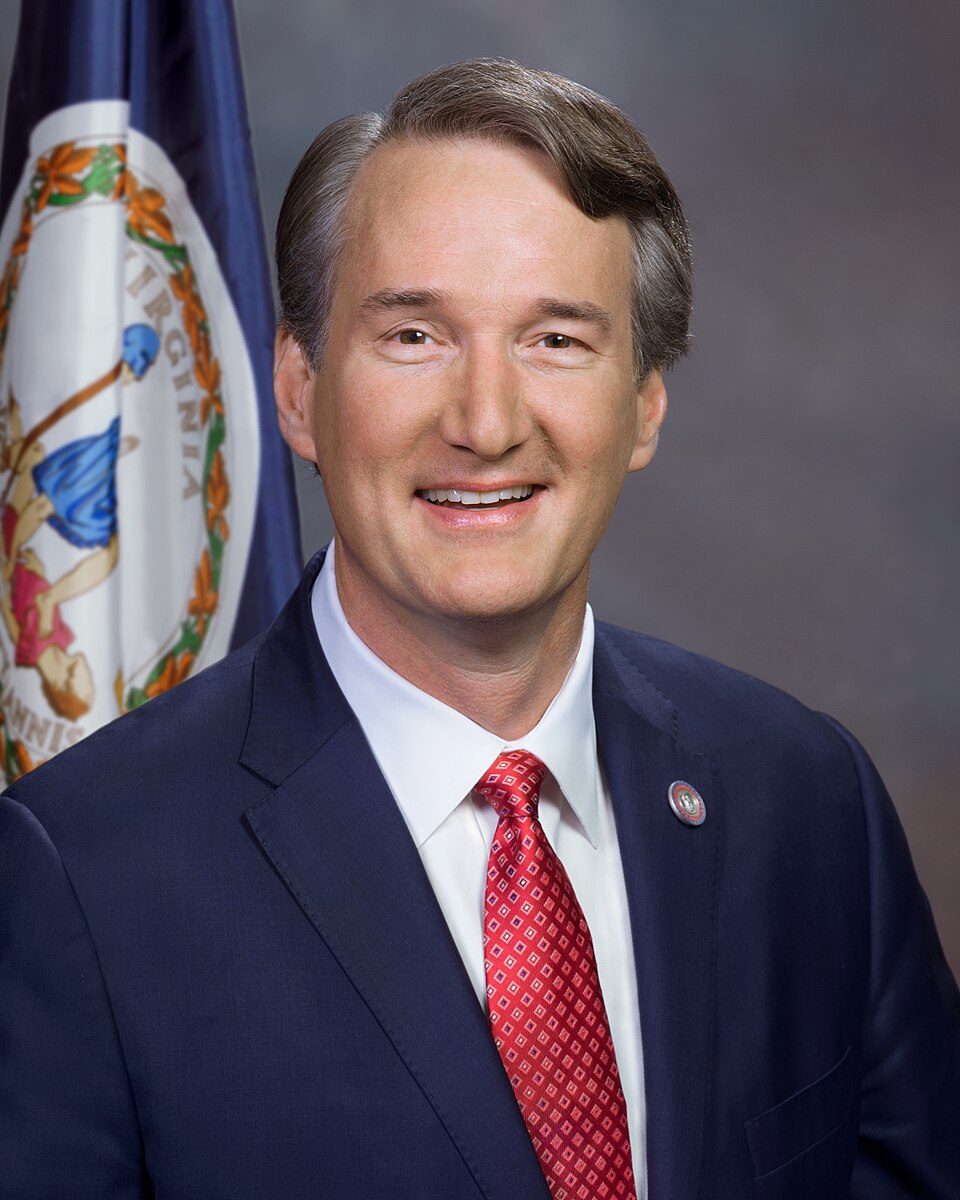
Today, we remember and honor the selfless US military heroes who sacrificed everything for our great nation and for us. May each of us thank God for their courage and profound sacrifice made to preserve our freedoms, ask Him to wrap our troops in His hedge of protection, and may God bless America.
View original →Norma's Analysis
This tweet expresses several interconnected moral values that are common in American political discourse. The primary values include sacrifice (honoring those who gave their lives), gratitude (thanking both God and service members), patriotism (devotion to "our great nation"), and religious faith (invoking God's protection and blessing).
The underlying ethical framework here draws heavily from virtue ethics - the idea that certain character traits like courage, selflessness, and sacrifice are inherently good and worthy of honor. The tweet also reflects duty-based ethics, suggesting we have moral obligations to remember fallen soldiers and express gratitude for their service. There's an implicit social contract at work: service members fulfill their duty to protect the nation, and civilians have a reciprocal duty to honor their sacrifice.
The religious dimension adds another layer, combining civic duties with spiritual ones. This reflects a long tradition in American political thought that sees divine providence and national destiny as interconnected. Philosophers like Reinhold Niebuhr explored how religious faith can both support and critique patriotic devotion - faith can motivate service to country, but it can also question whether any nation deserves ultimate loyalty.
Alternative perspectives might challenge some of these assumptions. Pacifist traditions question whether military sacrifice should be celebrated at all, arguing that violence - even in defense - perpetuates cycles of harm. Secular viewpoints might emphasize honoring service members without invoking divine blessing. Critical perspectives might ask whose freedoms are being protected and whether military interventions always serve just causes.