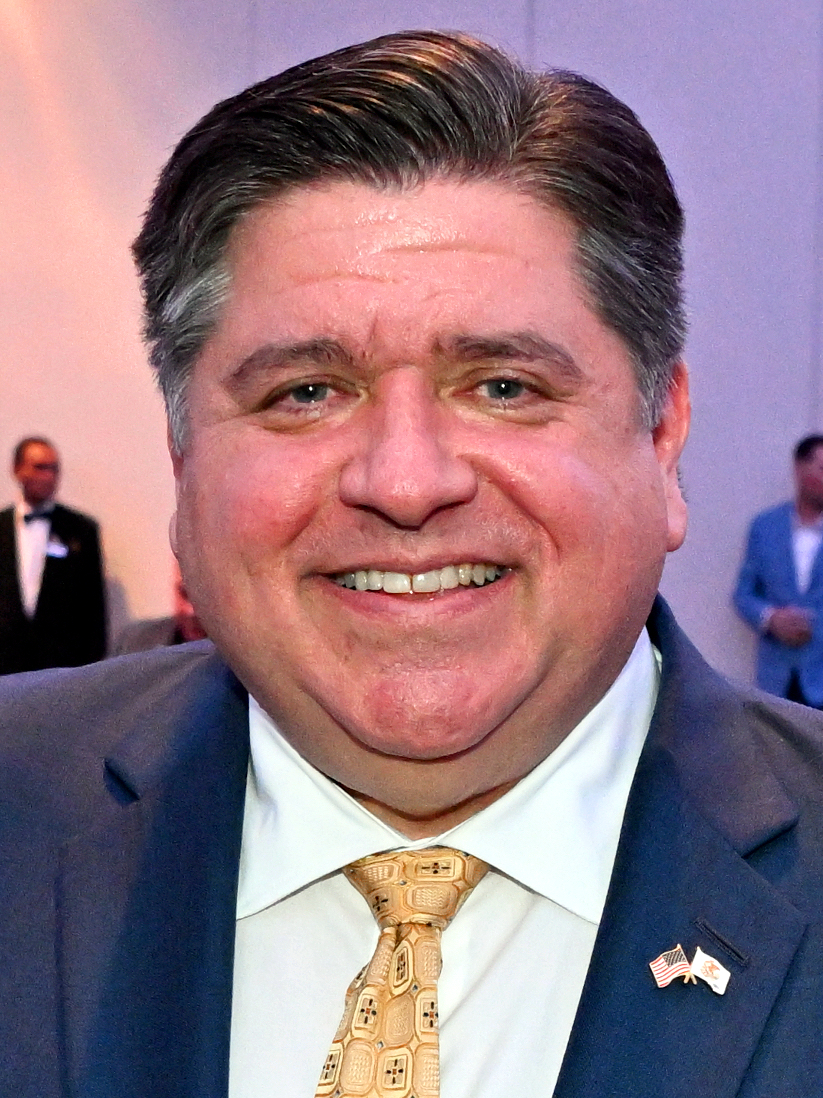
JB Pritzker

JB Pritzker

@JBPritzker

JB Pritzker
JB Pritzker @JBPritzker Apr 12, 2026

FEMA. Affordable housing. Public health programs. Donald Trump wants $1.5 TRILLION to fund his illegal war, and he wants to cut your services to pay for it.

View original →
Norma's Analysis

This tweet makes several moral assumptions about government priorities that reflect competing philosophical traditions about the state's proper role. The language reveals a commitment to what philosophers call distributive justice — the idea that resources should be allocated to serve basic human needs like housing, disaster relief, and healthcare before other purposes.

The framing of military spending as an "illegal war" versus domestic programs as essential "services" draws on a consequentialist moral framework that judges policies by their outcomes for human welfare. This echoes utilitarian philosopher Jeremy Bentham's principle that good policies maximize well-being for the greatest number. The tweet suggests military spending causes harm while domestic programs provide clear benefits to citizens.

However, this framing also reveals an implicit social contract view of government — the idea that citizens surrender some freedoms to the state in exchange for protection and services. Philosophers like John Rawls argued we should design society as if we didn't know our place in it, which might favor robust safety nets. But others like Robert Nozick emphasized individual liberty and minimal government, potentially supporting different spending priorities.

The tweet's moral force depends on accepting that domestic welfare should trump military spending as a general principle. Critics might invoke competing values like national security, deterrence, or international obligations that could justify military expenditures. They might also question whether the either-or framing accurately represents budget realities, suggesting this reflects deeper philosophical disagreements about government's fundamental purposes.

JB Pritzker
JB Pritzker @JBPritzker Apr 12, 2026

I called for Donald Trump's removal under the 25th Amendment back in October. Even then, something was genuinely wrong with the president. https://t.co/HWwsMhMuYO

View original →
Norma's Analysis

This tweet reveals several important moral commitments about presidential fitness and civic responsibility. The core claim that "something was genuinely wrong with the president" appeals to the idea that leaders must meet certain standards of mental and moral competence to legitimately hold power. This reflects a meritocratic value system - the belief that positions of authority should be earned and maintained through demonstrated capability.

The reference to the 25th Amendment invokes constitutional duty over political loyalty. By calling for Trump's removal months before this tweet, Pritzker frames himself as someone who puts institutional integrity above partisan considerations. This appeals to what philosophers call civic virtue - the idea that citizens (especially elected officials) have obligations to the broader community that sometimes override personal or party interests.

The tweet also embeds assumptions about expertise and judgment. Pritzker presents his earlier assessment as vindicated by subsequent events, suggesting he possessed superior insight about presidential fitness. This raises questions about democratic authority: Who gets to decide when a president is unfit? The Constitution provides mechanisms like the 25th Amendment, but it requires other officials to act - creating tension between popular sovereignty (the will of voters who elected Trump) and expert judgment (assessments by political insiders).

Critics might argue this reflects elitist rather than democratic values - the idea that political establishments should override voter choices when they deem leaders unsuitable. This connects to longstanding philosophical debates about whether democracy means simply following majority will or requires certain substantive commitments to competent governance.

JB Pritzker
JB Pritzker @JBPritzker Apr 10, 2026

Don’t forget: Donald Trump is spending YOUR taxpayer dollars on an illegal war that is making gas more expensive. This is his fault. https://t.co/TkuLAGvE4o

View original →
Norma's Analysis

This tweet appeals to several core moral values, most prominently fiscal responsibility and democratic accountability. By emphasizing "YOUR taxpayer dollars," the message invokes the principle that government spending should serve citizens' interests and that leaders have a duty to use public resources wisely. This reflects a broader tradition in political philosophy about the social contract - the idea that government authority comes from the people and must be exercised for their benefit.

The tweet also deploys consequentialist reasoning by focusing on harmful outcomes (higher gas prices, illegal warfare) rather than intentions. This approach, rooted in utilitarian thinking, suggests that policies should be judged primarily by their real-world effects on people's lives. The emphasis on personal economic impact ("gas more expensive") appeals to what philosophers call enlightened self-interest - the idea that citizens should hold leaders accountable when policies directly harm their wellbeing.

However, the tweet's assignment of personal responsibility ("This is his fault") raises complex philosophical questions about causation and blame in politics. Critics might argue this reflects an oversimplified view of how global events unfold, potentially conflicting with more nuanced understandings of collective responsibility and structural constraints that leaders face. The framing also assumes that avoiding military conflict should generally take priority over other foreign policy goals - a position that pacifist philosophers would support but that others might challenge based on just war theory or humanitarian intervention principles.

JB Pritzker
JB Pritzker @JBPritzker Apr 10, 2026

We’re honored @HamiltonMusical is back in Chicago. Bringing these vital moments in history to life and giving us the hope to fight for a better future. https://t.co/1Ms7Kqh3au

View original →
Norma's Analysis

This tweet reveals several moral commitments about the role of art and historical memory in political life. The governor frames Hamilton as more than entertainment—it's presented as a moral educator that helps citizens understand "vital moments in history" and inspires them to "fight for a better future."

The underlying value system here draws from civic republicanism, the idea that good citizenship requires active engagement with shared history and collective responsibility for social progress. By celebrating Hamilton's return, the tweet suggests that artistic representations of America's founding can cultivate patriotic virtue—not blind nationalism, but informed love of country that motivates reform. This connects to philosophers like John Dewey, who argued that democracy depends on citizens who can learn from the past while working toward improvement.

However, this view raises important questions about whose history gets elevated and which narratives shape our sense of collective identity. Critics might argue that celebrating Hamilton—despite its diverse casting—still centers elite founding fathers and potentially obscures other "vital moments" in American history, particularly those of marginalized communities. The tweet's optimistic framing also assumes that historical knowledge naturally leads to progressive action, a claim that thinkers like Walter Benjamin would challenge, noting how dominant historical narratives often serve existing power structures rather than truly liberating struggles.

JB Pritzker
JB Pritzker @JBPritzker Apr 9, 2026

Americans are struggling to afford gas and groceries. Meanwhile Trump calls war an "investment." That tells you everything you need to know.

View original →
Norma's Analysis

This tweet reveals a fundamental tension between domestic welfare and foreign policy priorities that has deep roots in moral philosophy. The underlying argument rests on what philosophers call a hierarchy of moral obligations — the idea that we have stronger duties to address immediate suffering of our own citizens before investing resources elsewhere.

The tweet implicitly draws on utilitarian thinking by suggesting resources should flow toward whatever produces the greatest reduction in suffering. From this view, spending money on war while Americans struggle with basic necessities represents a misallocation that fails to maximize overall wellbeing. There's also an appeal to care ethics, which emphasizes our special responsibilities to those closest to us, particularly those who are vulnerable.

However, this framing raises important philosophical questions. Just war theorists like Michael Walzer have argued that sometimes military intervention serves broader moral purposes — protecting innocent lives or preventing greater future suffering. The characterization of war as mere "investment" (rather than moral necessity) shapes how we evaluate the tradeoff. Additionally, cosmopolitan philosophers like Peter Singer challenge the assumption that geographical proximity creates stronger moral obligations, arguing our duties to reduce suffering extend equally to all humans.

The tweet ultimately reflects competing visions of moral priority: should leaders focus primarily on immediate domestic needs, or might some international commitments represent equally valid moral imperatives? This tension between particularist (special duties to fellow citizens) and universalist (equal duties to all people) approaches to ethics remains one of the most challenging questions in political philosophy.

JB Pritzker
JB Pritzker @JBPritzker Apr 8, 2026

The 25th Amendment needs to be invoked before it's too late. https://t.co/LDGK995SKk

View original →
Norma's Analysis

This tweet invokes the 25th Amendment, which allows for the removal of a president deemed unfit for office, suggesting an underlying belief that democratic institutions have both the authority and moral obligation to act when leadership becomes dangerous. The core value here is institutional responsibility - the idea that our constitutional framework exists precisely to prevent harm when individual leaders fail.

The argument draws on consequentialist thinking - the ethical framework that judges actions by their outcomes rather than intentions. The phrase "before it's too late" implies that waiting carries unacceptable risks, making immediate action morally necessary regardless of political costs. This reflects what philosophers call the precautionary principle: when facing potentially catastrophic consequences, we should act to prevent harm even under uncertainty.

However, this position raises challenging questions about democratic legitimacy and constitutional interpretation. Critics might argue from a procedural justice perspective that elections, not elite judgment calls, should determine fitness for office. They could invoke concerns about democratic accountability - questioning whether constitutional mechanisms designed for clear incapacity should be used for political disagreements about competence or policy.

The tension here reflects a deeper philosophical debate between democratic populism (trusting electoral outcomes) and constitutional republicanism (trusting institutional safeguards). Both traditions value democracy, but disagree about whether the people's electoral choices or constitutional constraints should take precedence when they conflict.

JB Pritzker
JB Pritzker @JBPritzker Apr 7, 2026

I've been saying it for months: Donald Trump needs to go. https://t.co/u2SDfZIw1X

View original →
Norma's Analysis

This tweet makes a normative political claim - a judgment about what should happen rather than simply what is happening. When Governor Pritzker says Trump "needs to go," he's invoking several underlying moral values without explicitly stating them.

The phrase suggests an appeal to democratic accountability - the idea that political leaders must answer to the people and can lose legitimacy through their actions. This connects to social contract theory, particularly philosophers like John Locke who argued that governments derive their authority from the consent of the governed, and that this consent can be withdrawn when leaders fail their duties.

The tweet also implies a consequentialist moral framework - the notion that Trump's continued presence in politics will lead to harmful outcomes that outweigh any potential benefits. This utilitarian-style reasoning suggests the speaker believes removing Trump would produce better overall results for society, though the specific harms aren't detailed here.

However, this claim raises important questions about democratic legitimacy that political philosophers have long debated. Who gets to decide when a political figure "needs to go"? Is it voters through elections, legal institutions through constitutional processes, or public opinion through sustained pressure? The tweet's certainty about this judgment reflects confidence in the speaker's own moral and political assessment, but reasonable people might disagree about both the underlying values and how they should be applied in practice.

JB Pritzker
JB Pritzker @JBPritzker Apr 7, 2026

This is not foreign policy, it’s a deranged mad man threatening to wipe out an entire country. It's past time. The 25th Amendment must be invoked. https://t.co/y3gJ3QFSwy

View original →
Norma's Analysis

This tweet makes several strong moral claims that rest on key ethical assumptions about leadership, proportionality, and democratic governance. The core argument relies on the principle of proportionality - that threatening to "wipe out an entire country" crosses a fundamental moral line that separates legitimate policy from dangerous extremism.

The tweet appeals to what philosophers call consequentialist reasoning - judging actions by their potential outcomes rather than intentions. By framing the threat as potentially catastrophic, it argues that extraordinary measures (invoking the 25th Amendment) are not just permitted but morally required. This reflects a utilitarian calculus: the harm of removing a leader is outweighed by preventing much greater potential harm to millions of people.

The language of "deranged mad man" invokes virtue ethics - the idea that leaders must possess certain character traits like wisdom, temperance, and sound judgment. This tradition, dating back to Aristotle, suggests that someone lacking these virtues is fundamentally unfit to wield power, regardless of their policy positions or electoral mandate.

However, this framing raises important counterpoints about democratic legitimacy and institutional norms. Critics might argue that using psychiatric language ("deranged") to justify removing an elected leader risks undermining democratic principles, even when that leader's behavior is concerning. The tension between procedural democracy (following established rules) and substantive democracy (protecting democratic values and outcomes) is a classic dilemma in political philosophy that this tweet brings into sharp focus.

JB Pritzker
JB Pritzker @JBPritzker Apr 7, 2026

Donald Trump is doing everything he can to steal the midterm elections. We’ll see him in court. https://t.co/qrocXh58PU

View original →
Norma's Analysis

This tweet makes a strong accusation of election fraud while simultaneously positioning legal action as the proper response. The underlying moral framework centers on democratic legitimacy - the idea that elections must be free, fair, and protected from interference to maintain their moral authority.

The tweet appeals to several key values. First, there's an appeal to procedural justice - the belief that following proper legal channels (courts) is the right way to address electoral disputes. This reflects a rule of law mentality where institutions, not violence or chaos, should resolve conflicts. Second, there's an implicit appeal to democratic equality - the idea that every citizen's vote should count equally and that no one, regardless of power, should be able to manipulate that process.

The ethical framework here is primarily deontological - focused on duties and rights rather than outcomes. From this perspective, protecting election integrity is a moral duty regardless of which candidate benefits. This connects to social contract theory from philosophers like John Locke, who argued that government legitimacy depends on the consent of the governed through fair processes.

However, this framing raises important questions about epistemic responsibility - our duty to have good evidence for serious claims. Critics might argue that without clear proof, such accusations could undermine the very democratic trust they claim to protect. This tension reflects broader philosophical debates about when moral outrage justifies strong claims, and whether the appearance of impropriety is enough to warrant such definitive language about "stealing" elections.

JB Pritzker
JB Pritzker @JBPritzker Apr 6, 2026

Two things Donald Trump ran on: Lowering costs on day one. No new wars. So far, he's 0 for 2.

View original →
Norma's Analysis

This tweet operates on several key moral assumptions about political accountability and promise-keeping. The underlying framework treats campaign promises as binding moral contracts between leaders and citizens, where failing to deliver represents a fundamental breach of trust. This reflects a deontological approach to political ethics - the idea that leaders have strict duties to fulfill their commitments regardless of circumstances.

The tweet also embeds assumptions about consequentialist evaluation - judging Trump's presidency primarily by measurable outcomes (costs, war involvement) rather than intentions or processes. This creates a "scorecard" mentality where political success gets reduced to binary pass/fail metrics. However, this raises deeper questions: Should we expect immediate results on complex issues? How do we weigh competing priorities when circumstances change?

The choice to focus specifically on these two promises (rather than others) reveals values around economic security and peaceful foreign relations as paramount concerns. This reflects a broader philosophical tension between idealist expectations of political leadership versus realist recognition of systemic constraints. The tweet assumes leaders have direct control over outcomes that may actually depend on congressional action, global events, or inherited conditions.

A virtue ethics perspective might ask different questions: Is the leader demonstrating good judgment and character in responding to unforeseen challenges? The accountability framework here, while democratically important, may oversimplify the complex moral landscape that political leaders actually navigate between campaign promises and governing realities.

JB Pritzker
JB Pritzker @JBPritzker Apr 6, 2026

All these cuts to hurt famers and rural communities, and Darren Bailey is nowhere to be found. Illinois deserves a governor who stands up for them—not one who rolls over for Donald Trump. https://t.co/IZu7CW6A97

View original →
Norma's Analysis

This tweet reveals several moral values competing for attention in political discourse. At its core, it appeals to loyalty and representation - the idea that elected officials have a duty to stand up for their constituents, especially vulnerable groups like farmers and rural communities. This reflects what philosophers call a social contract approach to political ethics, where leaders are morally bound to serve those who elected them.

The phrase "rolls over for Donald Trump" introduces a virtue ethics framework, contrasting courage with submissiveness. In this framing, political courage becomes a key virtue - leaders should be willing to resist pressure from powerful figures when their constituents' interests are at stake. This echoes classical ideas about political virtue going back to Aristotle, who emphasized that good leaders must have the moral strength to do what's right even when it's difficult.

However, the tweet also reveals an underlying assumption about political independence as a moral good. It suggests that loyalty to party leaders (Trump) is inherently problematic when it conflicts with local interests. This raises interesting questions: Is political party unity sometimes morally valuable? Could there be situations where broader national concerns might justifiably outweigh local interests?

The appeal specifically to farmers and rural communities taps into values of protecting the vulnerable and economic justice. But it assumes these cuts are inherently harmful without engaging the possibility that they might serve other important values like fiscal responsibility or urban needs. This reflects a common tension in political ethics between utilitarian thinking (what produces the best overall outcomes) and care ethics (special obligations to particular communities).

JB Pritzker
JB Pritzker @JBPritzker Mar 28, 2026

NO KINGS. https://t.co/GivZEktZJO

View original →
Norma's Analysis

This tweet makes a powerful anti-monarchical statement that taps into deep American values about equality and democratic governance. The phrase "NO KINGS" invokes the foundational principle that no person should hold absolute power over others - a core belief that drove the American Revolution and shapes how many Americans think about legitimate authority.

The underlying moral framework here draws from egalitarian thinking - the idea that all people have equal moral worth and equal claims to political participation. This connects to philosophers like John Locke, who argued that legitimate government requires the consent of the governed, and more recent thinkers who emphasize that democracy is valuable because it treats citizens as political equals. The tweet seems to reject any form of concentrated, unaccountable power as fundamentally incompatible with human dignity.

However, this absolutist position raises some interesting questions. Critics might point out that even democracies need some forms of concentrated authority to function effectively - from emergency powers during crises to the everyday authority of judges and administrators. Political philosophers have long debated whether there are situations where temporary concentrations of power might actually serve egalitarian values better than pure democratic processes.

The tweet's force comes from its appeal to a widely shared American intuition that no person is above the law - but translating that principle into practical governance involves complex tradeoffs that the simple "NO KINGS" formulation doesn't fully address.

JB Pritzker
JB Pritzker @JBPritzker Mar 28, 2026

Or, once again, Donald Trump could stop cutting taxes for his friends at Mar-a-Lago. https://t.co/cUCocinB9h

View original →
Norma's Analysis

This tweet makes a normative claim about taxation policy that rests on several unstated moral assumptions. The core argument implies that tax cuts for wealthy individuals (represented by "friends at Mar-a-Lago") are morally wrong when presented as an alternative to some other policy choice.

The underlying moral framework appears to draw from principles of distributive justice — the philosophical question of how society should fairly allocate resources and burdens. By framing tax cuts for the wealthy as benefiting Trump's "friends," the tweet suggests these policies violate principles of fairness and impartiality that many believe should guide government decisions. This connects to philosophical debates about whether personal relationships should influence policy-making, with most ethical traditions arguing that public officials should act for the common good rather than private benefit.

The tweet also implies a utilitarian calculation — that the money "saved" through these tax cuts could be better used elsewhere to produce greater overall social benefit. This reflects the broader philosophical tension between different theories of taxation: some argue taxes should be minimized to respect individual property rights (following philosophers like Robert Nozick), while others contend that progressive taxation serves justice by redistributing resources to meet collective needs (following thinkers like John Rawls).

The language choice of "friends at Mar-a-Lago" rather than neutral terms like "high earners" or "wealthy taxpayers" also reveals an assumption that class-based loyalties in policy-making are inherently problematic — a view that connects to longstanding concerns about plutocracy and whether democratic governance can remain legitimate when economic elites have disproportionate political influence.

JB Pritzker
JB Pritzker @JBPritzker Mar 27, 2026

First tariffs, now war in Iran—Trump's chaos is having real consequences for Illinois’ farmers. Meanwhile, Republicans are silent. https://t.co/1HsFsW7hd2

View original →
Norma's Analysis

This tweet reveals several moral commitments about political responsibility and leadership. The core claim rests on a consequentialist framework - judging Trump's policies primarily by their harmful outcomes for Illinois farmers rather than by the intentions behind them. Governor Pritzker treats the negative economic effects as sufficient evidence that these policies are morally wrong.

The tweet also invokes the value of political accountability, suggesting that both Trump and Republicans have a moral duty to answer for policies that harm constituents. There's an implicit appeal to care ethics - the idea that political leaders should prioritize protecting vulnerable groups like farmers from economic harm. The phrase "Trump's chaos" frames unpredictable governance itself as morally problematic, suggesting that stability and predictability are important political virtues.

However, this framing raises deeper philosophical questions about competing moral frameworks. A deontological perspective might ask whether some policies could be justified on principle even if they cause short-term economic pain - for instance, if tariffs serve broader national security goals. Similarly, someone operating from a virtue ethics standpoint might argue that consistent adherence to stated principles (even unpopular ones) demonstrates political courage rather than harmful "chaos."

The tweet's focus on consequences for farmers also reflects utilitarian reasoning - measuring policy success by aggregate welfare outcomes. But this approach potentially conflicts with other moral considerations, such as whether political leaders have special duties to prioritize long-term national interests over immediate economic relief for particular groups.

JB Pritzker
JB Pritzker @JBPritzker Mar 27, 2026

Call it what it is. https://t.co/vhkYLC9rrj

View original →
Norma's Analysis

Unstated moral commitments

1. Moral clarity over euphemism. By urging readers to “call it what it is,” the tweet treats naming as a moral duty. The hidden premise is that soft or vague language masks wrongdoing, while plain language exposes it. This echoes the Enlightenment idea that truth-telling is a civic virtue.

2. Justice through public judgment. The call to label the issue implies that once an act is correctly named, society is obliged to censure or rectify it. This draws on a deontological impulse: speech that fails to condemn injustice is itself a moral failure, regardless of consequences.

Philosophical backdrop

• George Orwell’s claim that “political language makes murder respectable” is relevant: euphemism can blunt moral outrage, so accurate naming is an act of resistance.

• The tweet also fits with the virtue ethics tradition, where candor and courage are personal virtues required for a healthy polity. Avoiding truthful labels would be a vice akin to cowardice.

Possible counterpoints

• From a utilitarian view, sometimes strategic ambiguity lowers conflict and maximizes overall welfare; blunt labeling can harden divisions.

• A care ethics perspective might ask whether the demand for moral clarity overlooks the relational context—e.g., whether those affected need empathy and dialogue rather than public denunciation.

In short, the tweet relies on the values of honesty and justice through explicit naming, assuming these outweigh potential harms that blunt speech might cause.

JB Pritzker
JB Pritzker @JBPritzker Mar 26, 2026

Donald Trump doesn't care that you're paying more at the gas pump. In fact, he expected you to pay more. https://t.co/dDK4gOQIUx

View original →
Norma's Analysis

Hidden values at work
The tweet leans on the idea that a public leader ought to care about everyday economic pain. That presumes two moral duties: (1) a duty of empathy—leaders should feel citizens’ burdens—and (2) a duty of stewardship—they should act to ease those burdens. Implicitly, the author is appealing to fairness or justice: it is unfair for ordinary people to shoulder higher costs while the powerful remain indifferent.

Which ethical frame?
This echoes a social-contract view: elected officials owe constituents protection from avoidable harm. It also borrows from virtue ethics: a good ruler shows the virtues of compassion and prudence, not callousness or exploitation. Finally, there is a hint of utilitarianism: lower gas prices are good because they increase total well-being.

Angles worth probing
1. Are short-term price increases always a moral failing? A climate-conscious argument (rooted in collective responsibility) might accept higher fuel costs to curb fossil-fuel use for the long-term good.
2. How much control does any single leader have over global oil markets? A libertarian or market perspective might say price swings follow supply and demand, not presidential intent.
3. Even if Trump “expected” higher prices, does that prove he wanted them? The tweet blurs prediction with intention—an example of the is/ought slide noted by David Hume.

By surfacing these assumptions, we can ask not only “Is the claim true?” but “Which moral yardstick are we using, and is it the right one for this issue?”

JB Pritzker
JB Pritzker @JBPritzker Mar 26, 2026

People ask why I push back so hard on Donald Trump. It's simple: Tyranny requires your fear, your silence, and your compliance. Democracy requires your courage.

View original →
Norma's Analysis

Key values at work: The tweet contrasts tyranny with democracy by pairing them with opposing moral emotions. Tyranny is said to thrive on fear, silence, and compliance, all of which signal lost freedom. Democracy, by contrast, is framed as demanding courage—the willingness to speak up and act. The underlying values are thus political liberty, personal agency, and the virtue of civic bravery.

Ethical framework: By highlighting courage rather than outcomes, the tweet leans on virtue ethics—the idea, going back to Aristotle, that good societies depend on citizens cultivating certain character traits. It also echoes the republican tradition (e.g., Machiavelli, Hannah Arendt) that sees liberty as active participation and vigilance against domination. There is a hint of deontological duty as well: resisting tyranny is presented as something one ought to do, regardless of cost-benefit calculations.

Philosophical touchpoints: The warning that “tyranny requires your silence” recalls John Stuart Mill’s argument that suppressing speech stunts both individual and collective progress. Meanwhile, the call for courage parallels Immanuel Kant’s essay “What Is Enlightenment?”—“Have the courage to use your own understanding”—linking political freedom to the moral duty of thinking for oneself.

Possible tensions to consider:
• Focusing only on courage may overlook other democratic virtues such as deliberation, tolerance, and trust in institutions.
• Labeling a political opponent as tyrannical can itself raise worries about polarization: if everyone brands the other side “tyrants,” the space for compromise narrows.
• Some might argue democracy also “requires” acceptance of electoral outcomes, even when one dislikes the winner—a different kind of civic discipline.

These tensions don’t refute the tweet’s message, but they remind us that safeguarding democracy involves a wider web of values than courage alone.

JB Pritzker
JB Pritzker @JBPritzker Mar 25, 2026

Groceries. Gas. Now packages. Is there anything Donald Trump hasn't made more expensive? Call it what it is: the Trump Mail Tax. https://t.co/1aXP3yozJw

View original →
Norma's Analysis

Economic fairness and accountability. By dubbing a postal price hike the “Trump Mail Tax,” the tweet appeals to a sense that everyday goods should remain affordable and that political leaders are responsible when they do not. The implicit value is distributive justice: it is wrong, the tweet suggests, for ordinary people to shoulder higher costs that stem from decisions made by those in power.

Consequentialist undertone. The argument rests on outcomes—higher prices for groceries, gas, and now mail—rather than on rules or intentions. This echoes a utilitarian worry about overall well-being: if policy X leaves most people with less money for basic needs, it is morally suspect. The tweet also taps a populist impulse: portraying the former president as acting against the interests of “regular folks.”

Possible counter-questions. From a virtue-ethics angle, one might ask whether blaming a single figure cultivates civic virtues like fairness or prudence. From a deontological view, critics could argue that certain regulatory changes (for instance, making the Postal Service self-sustaining) might be obligatory even if they raise short-term costs.

By spotlighting price hikes, the tweet invites us to judge leadership primarily by its material effects on citizens’ daily lives, embedding a broader claim: good governance is measured by how affordable it keeps the essentials.

JB Pritzker
JB Pritzker @JBPritzker Mar 25, 2026

Since I became governor, we've turned Illinois around. 10 credit upgrades. 7 balanced budgets. All while providing tax relief to working families. https://t.co/jMP023JOKb

View original →
Norma's Analysis

Core values on display: The tweet links “credit upgrades,” “balanced budgets,” and “tax relief” to the idea of “turning Illinois around.” That framing appeals to the values of fiscal responsibility (spending only what you can pay for), competent stewardship of public funds, and economic fairness to “working families.” By stressing measurable results—credit ratings, budget counts—the governor asks readers to judge success by concrete outcomes rather than lofty promises.

Implied moral framework: This is a form of utilitarian reasoning: good government is the one that produces the best overall results, here measured in financial health and lower taxes. There is also a hint of virtue ethics: a “good” leader behaves with prudence and self-control, traits symbolized by a balanced budget.

Philosophical backdrop and possible tensions:
• John Stuart Mill’s utilitarianism would applaud policies that raise overall well-being, but it also warns that raw economic indicators can hide unequal burdens.
• From a distributive justice lens (think John Rawls), balanced budgets and tax cuts are only morally praiseworthy if the poorest still benefit more than anyone else.
• Some civic-republican thinkers might ask whether chasing credit upgrades prioritizes the judgment of bond markets over the needs of citizens—an echo of ancient debates about whose “virtue” counts in public life.

Questions to reflect on:
1. Does a balanced budget automatically serve the common good, or can it come at the cost of underfunded services?
2. Whose well-being is measured by credit ratings—investors, taxpayers, or both?
3. Could larger investments in schools, health care, or climate action sometimes justify temporary deficits?

Surfacing these hidden commitments helps voters decide whether the stated accomplishments align with their own picture of a just society.

JB Pritzker
JB Pritzker @JBPritzker Mar 25, 2026

Darren Bailey wants to be the Donald Trump of Illinois. We're not gonna let that happen. https://t.co/HLV5Q5vt3H

View original →
Norma's Analysis

Value signals. By calling Darren Bailey “the Donald Trump of Illinois” and vowing “We’re not gonna let that happen,” the tweet appeals to the values of protection and civic responsibility. It assumes Trump-style politics are harmful—perhaps divisive, dishonest, or anti-democratic—and that good citizens must guard the state from such dangers. The moral weight comes from fear of negative consequences (e.g., conflict, loss of rights) and a wish to preserve what the speaker sees as Illinois’s better character.

Implied ethical frame. This is mainly consequentialist: stopping Bailey is framed as right because it will prevent bad outcomes. There is also a touch of virtue ethics, treating Trump as the embodiment of vices (anger, pride, disregard for norms) and suggesting leaders should model opposite virtues. Thinkers like John Stuart Mill spoke of limiting harmful speech or actions for the greater good, while Aristotle linked good politics to the character of the ruler—both echo beneath the surface here.

Room for reflection. A defender of Bailey might invoke democratic pluralism: voters, not incumbents, should decide which styles of leadership are acceptable. They could argue that labeling someone “the next Trump” is a shortcut that dodges discussion of actual policies—what philosophers call an ad hominem move. Likewise, Mill’s “marketplace of ideas” warns that silencing a view, even a disliked one, can weaken public debate. The tweet thus raises an old tension: protecting society from perceived harm versus honoring the widest possible freedom to choose.

JB Pritzker
JB Pritzker @JBPritzker Mar 24, 2026

Good riddance. https://t.co/gTRidAyOd2

View original →
Norma's Analysis

Value signals. The phrase “Good riddance” is a quick moral judgment. It treats the person or thing departing as a burden whose removal is itself good. That signals two possible values:
1. Retributive justice – bad actors deserve to be pushed out.
2. Harm-reduction – society is safer or better without them.

Implicit framework. The tone leans on a retributivist view: wrongdoing should meet with dismissal or exile. It also carries a hint of tribal solidarity (“our side is better off now”), rather than empathy or reconciliation.

Philosophical echoes.
• Retributivism traces back to Kant’s idea that punishment is justified when it matches the offense.
• By contrast, a utilitarian like John Stuart Mill would ask whether the exit really maximizes overall happiness.
• Virtue ethicists (e.g., Aristotle) might ask what kind of character is shown by rejoicing at someone else’s fall—does it foster the virtue of magnanimity or the vice of spite?

Possible counter-questions. Is celebrating removal the only—or the best—path to justice? Could reform, dialogue, or due process have served the same values with less bitterness? Reflecting on these alternatives can clarify whether the tweet’s satisfaction rests on a concern for the common good or on simple payback.

JB Pritzker
JB Pritzker @JBPritzker Mar 24, 2026

Turns out Donald Trump voted by mail. Again. It's almost like mail-in voting is safe, secure and makes voting easier. 🤔 https://t.co/agS2HPxmS7

View original →
Norma's Analysis

The tweet leans on the value of democratic participation: if even a high-profile critic of mail ballots relies on them, the practice must be legitimate and should stay easy for everyone. That appeal taps a fairness ideal: the rules should not tilt toward or against any group, and convenient options like vote-by-mail widen access.

Beneath the joke lies a modest utilitarian claim—greater ease means higher turnout, which is presumed to improve collective well-being by making government reflect more voices. At the same time, there is an implicit virtue-ethics swipe at hypocrisy: good civic character requires consistency between one’s words and deeds.

Philosophers from John Stuart Mill to contemporary deliberative democrats echo the tweet’s assumption that broad, low-friction participation strengthens legitimacy. A critic might answer with a republican or Kantian concern for procedural purity: if any voting method lowers public confidence, even small risks of fraud (or the perception of risk) could undermine self-rule. The deeper debate, then, is not only about counting ballots but about balancing accessibility with the shared trust that the count is beyond reproach.

JB Pritzker
JB Pritzker @JBPritzker Mar 24, 2026

Donald Trump wants to stay in power at all costs. And his biggest obstacle is the midterm elections. https://t.co/OPwV9VZTGa

View original →
Norma's Analysis

Democratic self-rule is the touchstone the tweet is appealing to. By warning that one person “wants to stay in power at all costs,” it signals that unlimited personal ambition threatens the shared value of popular sovereignty—the idea that leaders derive authority only from free and fair elections. Implicitly, the tweet casts the coming midterms as a civic duty: voting becomes a moral act of safeguarding the system itself.

The moral logic here draws on the republican tradition (think Madison or Montesquieu), which treats unchecked power as a road to tyranny. It also leans on a simple deontological rule: leaders ought to respect institutional limits, no matter the outcome for their own careers. Under this view, violating election results would not merely be impractical; it would be wrong in principle because it betrays the basic contract between rulers and the ruled.

A possible counter-theme comes from consequentialist thinking: some supporters might argue that keeping a particular leader in office secures policies they see as producing greater overall good (e.g., economic growth or national security). The tweet pushes readers to weigh that claim against the long-term cost of weakening peaceful transfers of power—a cost that many philosophers, from Locke to contemporary democrats, warn can erode liberty for everyone.

JB Pritzker
JB Pritzker @JBPritzker Mar 24, 2026

Donald Trump’s plan to steal the 2026 midterm elections is already underway. https://t.co/CiVsDZtc3k

View original →
Norma's Analysis

Core values invoked: The tweet appeals above all to democratic fairness—the idea that political power should come only from free and honest elections. By using the charged verb “steal,” it also calls on feelings of justice (wrong-doing must be stopped) and civic duty (citizens ought to defend their system).

Implied ethical frameworks:
1. Deontological duty – It assumes we have a basic moral obligation to protect voting procedures, no matter the cost or outcome.
2. Consequentialist worry – The phrase “already underway” warns of harmful future results (loss of legitimate self-government) if action is not taken.
3. Virtue ethics – There is an undercurrent that good citizens and leaders should show integrity and courage by speaking out early.

Philosophical touchpoints and counter-questions:
• Social-contract thinkers like Locke argued that government is legitimate only when it reflects the consent of the governed; an attempted “steal” would break that contract.
• At the same time, J. S. Mill cautioned that public debate loses value when claims rest on fear rather than evidence. Accusations of election theft without clear proof can themselves erode trust—another democratic good.
• A Kantian lens asks whether it is ever acceptable to spread alarming predictions if one is unsure they are true; doing so may treat the audience as a means to a partisan end rather than as rational co-equals.

Reflection prompt: The tweet urges vigilance, but how do we balance the need to guard democracy with the equally important duty to ground public claims in solid evidence? Holding both values—protection of elections and epistemic responsibility—in tension is key to a healthy civic culture.

JB Pritzker
JB Pritzker @JBPritzker Mar 18, 2026

Commander-in-Thief. https://t.co/pARgygCYu2

View original →
Norma's Analysis

This tweet employs moral condemnation through wordplay, transforming "Commander-in-Chief" into "Commander-in-Thief" to suggest systematic dishonesty or corruption. The underlying value system draws heavily on civic virtue ethics - the idea that political leaders must embody moral excellence and trustworthiness to legitimately hold power.

The implicit argument relies on what philosophers call character-based evaluation rather than policy disagreement. By labeling someone a "thief," the tweet suggests that dishonest character disqualifies a person from leadership, regardless of their political positions. This connects to ancient philosophical traditions, particularly Aristotelian virtue ethics, which emphasized that leaders must possess moral integrity to govern justly.

However, this approach raises important questions about political judgment. Critics might argue that character attacks can overshadow substantive policy debates, or that the "thief" label requires specific evidence rather than general accusations. The tweet also reflects a perfectionist view of political leadership - expecting moral purity from officials - versus a more pragmatic approach that might prioritize effective governance over personal virtue.

The broader tension here touches on a classic debate in political philosophy: Should we judge leaders primarily by their moral character or by the consequences of their actions? Different ethical frameworks would evaluate this question very differently.

JB Pritzker
JB Pritzker @JBPritzker Mar 18, 2026

Darren Bailey is back. And he's still too extreme for Illinois. https://t.co/owsxWGqIuY

View original →
Norma's Analysis

This tweet makes a normative judgment about political acceptability by labeling Darren Bailey as "too extreme for Illinois." The underlying moral framework here centers on democratic moderation - the idea that healthy democratic politics requires candidates who fall within a reasonable spectrum of mainstream opinion rather than at ideological extremes.

The phrase "too extreme" appeals to what philosophers call the principle of democratic legitimacy - that elected officials should represent values and positions that a majority of citizens can accept, even if they don't fully agree. This connects to thinkers like John Stuart Mill, who argued that democracy works best when competing viewpoints can find common ground rather than retreating to rigid positions.

However, this framing raises important questions about who gets to define "extreme" versus "mainstream." Critics might argue that labeling opponents as "extreme" is itself a political tactic that narrows the range of acceptable debate. From this view, what seems "extreme" today might be tomorrow's necessary reform - just as many ideas we now consider mainstream (like Social Security or civil rights legislation) were once dismissed as too radical.

The tweet ultimately embodies a consequentialist approach to politics - judging Bailey not necessarily on the content of his specific positions, but on whether those positions are likely to serve Illinois voters well. This raises the philosophical tension between democratic responsiveness (giving people what they want) and principled leadership (sometimes taking unpopular but necessary stands).

JB Pritzker
JB Pritzker @JBPritzker Mar 18, 2026

I have just one question, Illinois. Are you ready for the fight? https://t.co/HCsDaLhA4G

View original →
Norma's Analysis

This tweet mobilizes several powerful moral frameworks centered around resistance and collective action. By framing the political moment as a "fight," Governor Pritzker appeals to what philosophers call defensive virtue ethics - the idea that there are times when confrontation becomes a moral duty to protect important values or vulnerable people.

The language draws on a long tradition of just resistance theory, stretching from thinkers like Henry David Thoreau to Martin Luther King Jr., who argued that opposition to unjust authority can be not just permissible but morally required. The appeal "Are you ready for the fight?" assumes that something threatens Illinois that justifies a combative response, invoking what philosophers call protective responsibility - our duty to defend our communities and principles.

However, this framing raises important questions about democratic discourse. While resistance traditions emphasize standing up for justice, critics might argue that combat metaphors can escalate political tensions and make compromise more difficult. Political philosophers like John Rawls emphasized the importance of public reason - finding ways to discuss disagreements that don't treat political opponents as enemies to be defeated.

The tweet also reflects a communitarian approach to politics, appealing to shared identity ("Illinois") and collective action rather than individual rights or interests. This raises questions about when unity and resistance serve democratic values versus when they might suppress important internal debates about the best path forward.

JB Pritzker
JB Pritzker @JBPritzker Mar 17, 2026

Illinois — we need you to VOTE. https://t.co/SoKXRa6kVK

View original →
Norma's Analysis

This seemingly simple call to vote carries several implicit moral assumptions about democracy and civic duty. The tweet treats voting as an obvious good without explanation, reflecting what philosophers call a deontological approach to civic engagement — the idea that we have fundamental duties as citizens regardless of the outcomes.

The underlying democratic values here include the belief that political participation is inherently valuable and that collective decision-making through voting leads to legitimate governance. This connects to social contract theory, particularly John Rawls' idea that we have obligations to participate in reasonably just democratic institutions. The tweet assumes that more participation equals better democracy.

However, this framing raises important questions that political philosophers have long debated. Aristotelian virtue ethics might ask whether uninformed voting actually serves the common good, while utilitarian thinkers like John Stuart Mill have argued that not all participation necessarily improves outcomes. Some democratic theorists even suggest that choosing not to vote can be a legitimate form of political expression.

The tweet's brevity also reflects an assumption about shared civic identity — that being from Illinois creates mutual obligations and common interests. This appeals to what philosophers call communitarian values, but sidesteps harder questions about whose interests voting actually serves and whether our current democratic systems truly represent all citizens equally.

JB Pritzker
JB Pritzker @JBPritzker Mar 17, 2026

Margaret Croke will always lead with transparency and efficiency. I was proud to support her in her campaign for State Rep. and I'm proud to support her as she runs for Comptroller. There's still time to get out and vote for Margaret Croke! https://t.co/bIIKPDw3sU

View original →
Norma's Analysis

This endorsement tweet centers on two key moral values: transparency and efficiency as essential virtues for public office. By leading with these qualities, the tweet suggests that good governance requires both openness (letting citizens see how decisions are made) and competence (getting things done effectively). This reflects a virtue ethics approach to politics, where we judge leaders not just by their policies but by their character traits.

The emphasis on transparency taps into democratic values about accountability and trust between citizens and government. This connects to philosophical debates about whether transparency is always good - thinkers like Jeremy Bentham argued that publicity keeps officials honest, while others worry that too much openness can make governing harder or create performance rather than substance.

Efficiency as a political virtue raises interesting questions about what we most value in government. This utilitarian-leaning focus suggests that getting results matters more than the process itself. But critics might ask: efficient at what? Some argue that democracy should sometimes be deliberately slow and messy to ensure everyone's voice is heard and rights are protected.

The tweet's framing assumes these two values work together harmoniously, but philosophers have long debated whether transparency and efficiency can conflict. Sometimes being completely open slows things down, while being efficient might require closed-door negotiations that lack transparency.

JB Pritzker
JB Pritzker @JBPritzker Mar 17, 2026

Thank you to @SEIU and all the volunteers hitting the phones. Every call—and every vote—counts. 🗳️ https://t.co/2e8b8jQpJ5

View original →
Norma's Analysis

This tweet expresses gratitude for volunteer phone banking efforts while emphasizing the fundamental value of democratic participation. The underlying message rests on the moral principle that every individual's political engagement—whether through volunteering or voting—carries inherent worth and contributes meaningfully to the democratic process.

The phrase "every call—and every vote—counts" reflects a participatory democratic framework that values widespread civic engagement over more elite or restricted forms of political decision-making. This connects to philosophical traditions dating back to thinkers like John Stuart Mill, who argued that political participation helps develop citizens' moral and intellectual capacities. The tweet implicitly endorses the idea that democracy works best when more people are involved, not just through voting but through active campaign work.

However, this emphasis on participation raises deeper questions about the quality versus quantity of democratic engagement. Critics might draw on concerns raised by philosophers like Jason Brennan, who argues that uninformed participation can sometimes harm democratic outcomes. Others might question whether phone banking—which involves persuading others to vote in particular ways—truly embodies the ideal of informed, independent democratic choice, or whether it represents a form of organized influence that could undermine genuine deliberation.

The tweet also reflects collective action values, celebrating the union (SEIU) and volunteers working together toward shared goals. This aligns with communitarian philosophical traditions that emphasize our moral obligations to participate in shared civic life, though it contrasts with more individualistic approaches that prioritize personal autonomy over group mobilization efforts.

JB Pritzker
JB Pritzker @JBPritzker Mar 16, 2026

There’s still time to vote @JulianaStratton for U.S. Senate! https://t.co/Jhb47bMAmc

View original →
Norma's Analysis

This seemingly simple campaign endorsement carries deeper assumptions about democratic participation and civic duty. By urging people that "there's still time to vote," Governor Pritzker appeals to the value that participation in elections is inherently good - reflecting what philosophers call procedural democracy, where legitimacy comes from following proper democratic processes.

The tweet assumes that informed choice is less important than participation itself. There's no discussion of Stratton's policy positions or qualifications - just an urgent call to vote before time runs out. This reflects a tension in democratic theory: should we prioritize maximum participation (getting everyone to vote) or informed deliberation (ensuring voters understand the issues)? Participatory democrats like John Dewey would likely support broad participation, while deliberative democrats like Jürgen Habermas might worry about uninformed voting.

The endorsement also reveals assumptions about political loyalty and party solidarity. Pritzker, as governor, is using his platform to support a fellow Democrat, suggesting that party affiliation should guide voting decisions. This connects to broader questions about whether voters should prioritize individual candidate merit, party platforms, or personal relationships when making electoral choices.

The urgency itself ("there's still time") implies that not voting represents a missed opportunity or even a civic failure - treating voting as both a right and a responsibility rather than simply an optional form of political expression.

JB Pritzker
JB Pritzker @JBPritzker Mar 13, 2026

No excuses. Just vote. https://t.co/sLVTz8RRpA https://t.co/AY138GifcX

View original →
Norma's Analysis

This seemingly simple message carries several moral commitments about civic duty and personal responsibility. The phrase "No excuses" implies that voting is not just a right but a moral obligation - something we must do regardless of obstacles or inconveniences. This reflects a duty-based ethical framework where certain actions are inherently required of us as citizens, regardless of the consequences or our personal feelings about the candidates.

The tweet draws on values of civic virtue and democratic participation that trace back to ancient philosophers like Aristotle, who argued that participating in political life is essential to human flourishing and moral development. It also echoes social contract theory - the idea that we have duties to our political community because we benefit from living in it.

However, this absolute framing raises important questions. Is voting always morally required, even when someone feels genuinely uninformed about the issues? What about conscientious abstention - the philosophical position that not voting can sometimes be a legitimate moral choice? Thinkers like Henry David Thoreau argued that participation in flawed systems might sometimes compromise our integrity. The "no excuses" language doesn't acknowledge these competing moral considerations.

The tweet ultimately reflects a communitarian value system that prioritizes collective participation over individual moral uncertainty, assuming that the act of voting itself strengthens democracy regardless of how informed or enthusiastic the voter might be.

JB Pritzker
JB Pritzker @JBPritzker Mar 13, 2026

The official White House account just cut a video game montage to hype up Trump’s war in Iran. At least thirteen Americans are dead. Over a hundred are wounded. These are Americans who died for this country. And this administration is making memes about it. https://t.co/JFHMJjHx0t

View original →
Norma's Analysis

This tweet reflects several competing moral frameworks about appropriate responses to military casualties and the dignity owed to fallen soldiers. The core ethical tension centers on whether creating "meme-style" content about military actions that resulted in American deaths violates principles of respect for human dignity and solemnity in the face of sacrifice.

The tweet appeals strongly to virtue ethics — specifically the virtues of reverence, gravity, and respect that should characterize how leaders respond to military losses. This reflects a long philosophical tradition dating back to Aristotle about the importance of appropriate emotional responses (pathos) matching the moral weight of situations. The implicit argument is that creating celebratory content trivializes genuine human sacrifice and demonstrates a character flaw in leadership.

However, this position conflicts with other potential moral frameworks. A consequentialist might argue that if such content effectively communicates military success and maintains public morale, the format matters less than the outcomes achieved. Additionally, there's a competing notion of patriotic duty that could justify celebrating military victories even when they come at human cost — reflecting traditions that view honoring sacrifice through victory rather than just solemn remembrance.

The deeper philosophical question here involves the commodification of sacred experiences — when does political communication cross the line from legitimate persuasion into inappropriate treatment of human loss? This echoes debates in media ethics about whether modern communication tools can adequately convey the moral weight of serious subjects, or whether they inherently diminish that weight through their format.

JB Pritzker
JB Pritzker @JBPritzker Mar 12, 2026

Trump kicked millions off SNAP so families can't eat. Pete Hegseth spent $6.9 million on lobster tail — a fraction of the $93 billion he burned in a single month. This is the party of waste, fraud, and abuse. https://t.co/7TCp2SbTOg

View original →
Norma's Analysis

This tweet makes several moral claims that rest on competing ideas about government's proper role and resource allocation. The core argument appeals to principles of distributive justice — the philosophical question of how society should fairly distribute resources and burdens.

The tweet employs what philosophers call consequentialist reasoning, judging policies primarily by their outcomes rather than intentions. It contrasts hungry families (a clear harm) with expensive lobster purchases (apparent waste), suggesting that good governance requires directing resources toward basic human needs rather than luxury consumption. This reflects a utilitarian framework that prioritizes maximizing overall welfare and minimizing suffering.

The language also invokes stewardship ethics — the idea that those in power have moral obligations to use public resources responsibly. By labeling certain spending as "waste, fraud, and abuse," the tweet assumes we can objectively distinguish between legitimate and illegitimate government expenditures. However, this raises deeper questions: Should government prioritize meeting citizens' basic needs over other goals? How do we balance individual responsibility with collective support?

Counter-perspectives might emphasize different values: some argue that reducing dependency on government programs promotes personal autonomy and long-term flourishing, while others might defend certain government expenditures as necessary investments even if they appear costly. These disagreements ultimately reflect different philosophical assumptions about human nature, the proper scope of government, and what constitutes a just society.

JB Pritzker
JB Pritzker @JBPritzker Mar 12, 2026

61 years ago, civil rights activists put their bodies on the line in hopes of gaining freedom they had never seen. I refuse to throw my hands up today. https://t.co/vtnTao6jeD

View original →
Norma's Analysis

This tweet makes a moral argument through historical analogy, comparing the speaker's current political stance to the courage of civil rights activists from 61 years ago. The underlying values here center on perseverance in the face of adversity and the moral duty to continue fighting for justice even when progress seems difficult.

The phrase "put their bodies on the line" invokes the concept of moral courage - the idea that some principles are worth personal sacrifice. By refusing to "throw my hands up," the speaker is appealing to what philosophers call moral persistence - the belief that we have an ongoing duty to work toward justice, regardless of setbacks. This reflects a virtue ethics approach, where the focus is on embodying admirable character traits like courage and determination rather than just calculating outcomes.

However, this framing raises important questions about moral equivalence. The tweet implies that today's political struggles are comparable to the life-threatening challenges faced by civil rights activists who confronted violent segregation. Critics might argue this comparison diminishes the unique historical context and extreme dangers those activists faced. Philosophers have long debated whether different forms of moral action can be meaningfully compared across vastly different circumstances.

The tweet also assumes that continued political resistance is inherently virtuous, but this raises the question: when is persistence noble versus stubborn? Aristotelian ethics would suggest that virtue lies in finding the right balance - knowing when to persist and when to adapt one's approach based on changing circumstances and evidence.

JB Pritzker
JB Pritzker @JBPritzker Mar 11, 2026

Are we in the Golden Age yet, @realDonaldTrump? https://t.co/AVRbMFhTdF

View original →
Norma's Analysis

This tweet employs rhetorical questioning to challenge whether current conditions match promised ideals, revealing several underlying moral commitments about political accountability and societal progress.

The phrase "Golden Age" invokes a powerful moral framework rooted in perfectionist ideals - the notion that societies should strive toward their highest potential. This concept traces back to ancient Greek and Roman thought, where golden ages represented peaks of prosperity, justice, and cultural flourishing. By questioning whether we've achieved this state, the tweet implicitly argues that leaders should be held to consequentialist standards - judged by the actual outcomes they produce rather than just their intentions or promises.

The tweet also reflects values of democratic accountability and transparency. The public challenge format suggests that political leaders owe citizens honest assessments of progress toward their stated goals. This aligns with social contract theory, particularly the idea that governmental legitimacy depends on delivering measurable benefits to the governed.

However, this framing raises important questions about temporal expectations and collective responsibility. Critics might argue that meaningful societal change requires longer timeframes than political cycles allow, or that citizens bear equal responsibility for societal conditions. The "golden age" standard itself could be critiqued as unrealistic - philosopher Isaiah Berlin warned against utopian thinking that demands perfect solutions, arguing it often leads to disappointment with incremental but real progress.

JB Pritzker
JB Pritzker @JBPritzker Mar 11, 2026

History is shouting — through every attack on voting rights, every erased history book, every threat to deploy federal agents to your polling place. The only question is whether we’re listening. https://t.co/tbzGHhTz9h

View original →
Norma's Analysis

This tweet makes several normative claims about what threatens democracy and implicitly argues we have moral duties to respond. The core values being recruited are democratic legitimacy (the idea that government authority comes from fair elections and informed citizens) and historical responsibility (that we must learn from past threats to democracy).

The phrase "History is shouting" employs what philosophers call historical determinism — the idea that historical patterns reveal moral truths we ignore at our peril. This draws on a consequentialist ethical framework: these actions (restricting voting, erasing history, deploying federal agents) are wrong because they lead to bad outcomes for democracy. The tweet assumes that protecting voting access and historical education are intrinsically valuable for maintaining democratic society.

However, this framing raises important questions about competing values. Those who support stricter voting procedures might invoke values like election integrity and rule of law, arguing that some restrictions protect rather than threaten democratic legitimacy. The "erased history book" reference touches on debates about epistemic authority — who decides which historical narratives should be taught, and whether some editorial choices represent necessary curriculum decisions rather than dangerous censorship.

The tweet's moral urgency reflects what philosopher John Dewey called the democratic ideal — that democracy requires not just institutions but an engaged citizenry committed to democratic values. Yet critics might argue this conflates specific policy preferences with democratic principles themselves, raising questions about whether opposing particular voting or education policies necessarily constitutes an "attack" on democracy.

JB Pritzker
JB Pritzker @JBPritzker Mar 10, 2026

Selma. Standing here now — you can't help but hear history shout. https://t.co/hgMf9RSfdB

View original →
Norma's Analysis

This tweet invokes historical memory as a source of moral authority and civic obligation. By referencing Selma - the site of pivotal 1965 civil rights marches - Governor Pritzker appeals to what philosophers call collective memory, the idea that past struggles create ongoing moral duties for present generations.

The phrase "you can't help but hear history shout" suggests that certain places carry inherent moral weight that compels recognition and action. This reflects a virtue ethics approach, where being in proximity to sites of historical injustice is meant to cultivate moral character and civic virtue. The underlying assumption is that remembering past wrongs creates obligations to continue the work of justice.

However, this appeal raises questions about moral authority and historical interpretation. Critics might ask: whose version of history gets to "shout"? The tweet assumes a shared understanding of Selma's meaning, but different groups may draw different lessons from the same historical events. Some might emphasize the importance of federal intervention, others the power of grassroots organizing, and still others the dangers of government overreach.

The post also reflects tensions in memorial ethics - the philosophy of how we should remember the past. While commemorating sites of struggle can inspire continued progress, it can also become performative, allowing politicians to associate themselves with moral authority without committing to specific contemporary actions. The challenge is ensuring that "hearing history" translates into meaningful present-day justice work.

JB Pritzker
JB Pritzker @JBPritzker Mar 9, 2026

This didn't age well. https://t.co/UFfXW6SsXR

View original →
Norma's Analysis

This tweet makes a moral claim about consistency and accountability in political leadership. By suggesting something "didn't age well," the author implies that politicians should be held to their past statements and that changing circumstances don't excuse what they see as poor judgment or hypocrisy.

The underlying values here include intellectual honesty and political accountability - the idea that leaders should stand behind their words and face consequences when their predictions or positions prove problematic. This reflects a virtue ethics approach that emphasizes character traits like consistency and integrity over simply judging outcomes. The tweet also assumes that hindsight criticism is legitimate and valuable for democratic discourse.

However, this raises important questions about how we should evaluate political judgment. A consequentialist might argue that we should judge decisions based on the information available at the time, not later outcomes. Additionally, the ability to change one's mind when presented with new evidence could be seen as intellectual humility rather than a character flaw.

The tension here touches on a classic debate in political philosophy: Should we value leaders who stick firmly to their principles (moral consistency), or those who adapt their views based on changing circumstances (pragmatic flexibility)? Different democratic traditions have emphasized each approach, and both have legitimate philosophical foundations.

JB Pritzker
JB Pritzker @JBPritzker Mar 9, 2026

Today we honor those who marched in Selma—tomorrow, we must continue their march. https://t.co/nU47z1dQvT

View original →
Norma's Analysis

This tweet draws on a moral framework of historical continuity — the idea that we have ongoing obligations to complete the work started by previous generations. By invoking Selma, Governor Pritzker connects today's political action to the civil rights movement's moral authority, suggesting that the marchers' cause remains unfinished and that we inherit both their mission and their moral legitimacy.

The language reveals a teleological view of justice — the belief that history has a direction and purpose that we must help fulfill. The phrase "continue their march" implies that social progress follows a clear path toward a predetermined goal. This reflects what philosophers call progressive historicism — the idea that moral advancement unfolds through historical stages, with each generation responsible for moving society forward.

However, this framing raises important questions about moral inheritance and political authority. Does invoking historical movements automatically justify current political positions? Critics might argue this commits the genetic fallacy — assuming that because the Selma marchers were morally right, anyone claiming their mantle today must be equally justified. Conservative philosophers like Edmund Burke would question whether we can simply assume continuity between past and present struggles, arguing that each political moment requires fresh moral reasoning rather than inherited mandates.

The tweet also embodies collective moral responsibility — the belief that society as a whole bears ongoing obligations for justice. But this raises deeper questions: Who gets to define what "continuing the march" means? Different groups might interpret this historical legacy in fundamentally different ways, each claiming authentic connection to the original movement's values.

JB Pritzker
JB Pritzker @JBPritzker Mar 8, 2026

Trump says the economy is booming. Clearly, Americans disagree. https://t.co/ABTUZdcJck

View original →
Norma's Analysis

This tweet reveals a fundamental tension about democratic authority and whose voice counts in evaluating political success. By contrasting Trump's claim with "what Americans [actually] think," Pritzker appeals to the moral principle that popular sovereignty should trump elite declarations—that the people's lived experience matters more than official pronouncements.

The argument implicitly draws on democratic legitimacy theory: the idea that political claims gain their authority from popular consent rather than from the position of the person making them. This reflects a populist value system that prioritizes ordinary citizens' perspectives over those of political leaders. Pritzker seems to be saying that economic truth isn't just about statistics—it's about whether people feel the benefits in their daily lives.

However, this raises deeper philosophical questions about epistemic democracy—who actually knows what's best? One could argue from a more technocratic perspective that economic health should be measured by objective indicators rather than public sentiment, since feelings about the economy can be influenced by media coverage, partisanship, or incomplete information. Philosophers like Jason Brennan have argued that democratic opinions aren't always reliable guides to good policy.

The tweet also assumes that authentic representation requires alignment between leaders' claims and citizens' experiences. This connects to broader debates about whether politicians should be delegates (reflecting popular will) or trustees (exercising independent judgment for the public good)—a distinction famously explored by philosopher Edmund Burke.

JB Pritzker
JB Pritzker @JBPritzker Mar 8, 2026

Donald Trump only gives a damn about lining his own pockets. https://t.co/dWtxmkpkXj

View original →
Norma's Analysis

This tweet makes a moral judgment about Donald Trump's character and motivations, specifically claiming he prioritizes personal financial gain over other values. The underlying ethical framework here draws from virtue ethics - the idea that we should evaluate people based on their character traits and motivations rather than just their actions or outcomes.

The tweet implicitly assumes that self-interest and greed are moral failings, while suggesting that political leaders should be motivated by public service and concern for others. This reflects a long philosophical tradition dating back to Aristotle, who distinguished between virtuous leaders who serve the common good and corrupt ones who serve only themselves. The criticism also assumes that a leader's internal motivations matter morally - not just whether their policies happen to benefit people.

However, this raises some challenging questions. Philosophers like Adam Smith famously argued that self-interested behavior can sometimes produce good outcomes for society as a whole. Others might ask whether we should judge leaders primarily by their results rather than their motivations. There's also the question of evidence - how can we really know someone's true internal motivations versus their stated goals or actual policy effects?

The tweet ultimately reflects a character-based approach to political evaluation, where the moral worth of a leader depends significantly on whether they possess virtues like selflessness, integrity, and genuine concern for others rather than vices like greed or narcissism.

JB Pritzker
JB Pritzker @JBPritzker Mar 7, 2026

Illinois is open for business! Thanks to our investments in business growth, Illinois and Chicago are once again topping the charts for corporate relocation and expansion. https://t.co/jd11WCaP1f

View original →
Norma's Analysis

This tweet celebrates corporate relocation and expansion as unqualified goods, reflecting a market-centered approach to measuring societal success. The underlying moral framework treats economic growth and business activity as intrinsic values - things that are good in themselves rather than merely tools for achieving other goals.

The phrase "Illinois is open for business" embodies what philosophers call economic instrumentalism - the view that a state's primary role is to facilitate commerce and attract capital. This connects to classical liberal philosophy, particularly Adam Smith's idea that individual economic pursuits can benefit society overall through the "invisible hand" of markets. However, this framing sidesteps questions about what kind of businesses are relocating and who benefits from this growth.

Missing from this celebration are considerations of distributive justice - how the benefits and costs of economic development are shared across different groups. Philosophers like John Rawls would ask whether these corporate relocations improve conditions for the least advantaged citizens, or primarily benefit shareholders and executives. Similarly, environmental ethicists might question whether prioritizing business attraction conflicts with responsibilities to future generations.

The tweet also reflects a consequentialist moral framework that judges policies by their economic outcomes rather than by principles like worker rights, community self-determination, or environmental protection. While job creation and tax revenue can certainly improve lives, treating "topping the charts for corporate relocation" as an end goal reveals specific value priorities that deserve explicit democratic debate rather than implicit acceptance.

JB Pritzker
JB Pritzker @JBPritzker Mar 7, 2026

Elon Musk's net worth went up $187 BILLION in 2025. In the same year, Trump illegally took $1,700 in taxes out of your pocket, cut $1 trillion from Medicaid, and doubled your health care costs.

View original →
Norma's Analysis

This tweet makes a moral argument about fairness and distributive justice by contrasting Elon Musk's wealth gains with alleged harms to ordinary citizens. The underlying values here center on economic equality and the idea that extreme wealth concentration is morally problematic, especially when it coincides with policies that burden working families.

The argument draws on utilitarian reasoning - the philosophical framework that judges actions by their consequences for overall well-being. From this perspective, policies that increase suffering for many people (through higher taxes and reduced healthcare access) while allowing massive wealth accumulation by a few are morally questionable because they reduce total societal welfare. The tweet also appeals to principles of distributive justice, particularly the idea that resources should be allocated more fairly across society.

However, the tweet relies on several unstated assumptions that other moral frameworks might challenge. A libertarian perspective would emphasize that Musk's wealth comes from voluntary market transactions and that individuals have a right to keep what they earn. From this view, the mere fact that someone becomes very wealthy doesn't create a moral obligation to redistribute that wealth, especially if it was gained through legitimate business success.

The argument also assumes a zero-sum view of wealth - that Musk's gains somehow come at the expense of ordinary citizens. Critics might argue this reflects a scarcity mindset rather than recognizing that wealth creation can benefit society broadly through job creation, innovation, and economic growth. The philosophical tension here is between seeing wealth as a finite resource to be divided versus seeing it as something that can be expanded to everyone's benefit.

JB Pritzker
JB Pritzker @JBPritzker Mar 7, 2026

The future of quantum energy lives right here in Illinois! We're proud Chicago has been recognized as a leading hub in the nation for our quantum research, federal funding, and workforce development. https://t.co/RvEX5QORrX

View original →
Norma's Analysis

This tweet celebrates quantum energy research in Illinois, revealing several underlying value commitments about progress, competition, and regional identity. The language of being "proud" and having Chicago "recognized as a leading hub" suggests a framework where technological advancement serves as both a source of collective identity and a measure of success.

The tweet implicitly endorses what philosophers call technological optimism — the belief that scientific progress naturally leads to human flourishing. By framing quantum energy as "the future," Governor Pritzker assumes this technology will benefit society, without acknowledging potential risks or questioning whether all technological development is inherently good. This echoes utilitarian thinking, where outcomes are judged primarily by their ability to produce beneficial results for the greatest number of people.

The emphasis on being a "leading hub" reveals a competitive nationalist approach to innovation, treating scientific advancement as a zero-sum game between regions and nations. This perspective prioritizes local economic interests over collaborative global research efforts. Philosophers like Martha Nussbaum have critiqued this kind of thinking, arguing that scientific knowledge should serve universal human interests rather than regional competitive advantages.

Missing from this celebration is any discussion of distributive justice — who will benefit from these quantum energy developments, and whether the research priorities align with the most pressing needs of Illinois residents. The focus on federal funding and workforce development suggests economic benefits, but doesn't address whether these opportunities will be accessible to all communities or primarily benefit already-privileged groups.

JB Pritzker
JB Pritzker @JBPritzker Mar 6, 2026

I said from the beginning: If you come for my people, you're gonna come through me. https://t.co/WVyo9f0Rcq

View original →
Norma's Analysis

This tweet embodies a protective stance rooted in several interconnected moral values. The language "come for my people" and "come through me" draws on ideals of loyalty, solidarity, and defensive responsibility - the notion that leaders have special obligations to shield those under their care from harm or persecution.

The framing reflects what philosophers call particularist ethics - the idea that we have stronger moral duties to specific groups (our constituents, community, nation) than to humanity in general. This contrasts with universalist approaches that treat all people's interests equally. The tweet also invokes virtue ethics by positioning the speaker as embodying courage and protective leadership, suggesting that taking this stand reflects good character regardless of consequences.

The "come through me" rhetoric specifically appeals to concepts of just resistance and defensive action. This draws from philosophical traditions dating back to thinkers like Thomas Aquinas and later John Locke, who argued that resistance to unjust authority can be morally justified or even required. However, critics might question: Who exactly constitutes "my people"? Could such protective rhetoric potentially exclude others who also deserve moral consideration?

The tweet's moral force depends heavily on the assumption that the anticipated actions against "my people" would be unjust. This reflects an underlying commitment to rights-based thinking - the idea that individuals or groups possess certain protections that shouldn't be violated, even by legitimate authority. Whether this stance represents admirable moral courage or problematic us-versus-them thinking depends largely on the specific context and policies being referenced.