
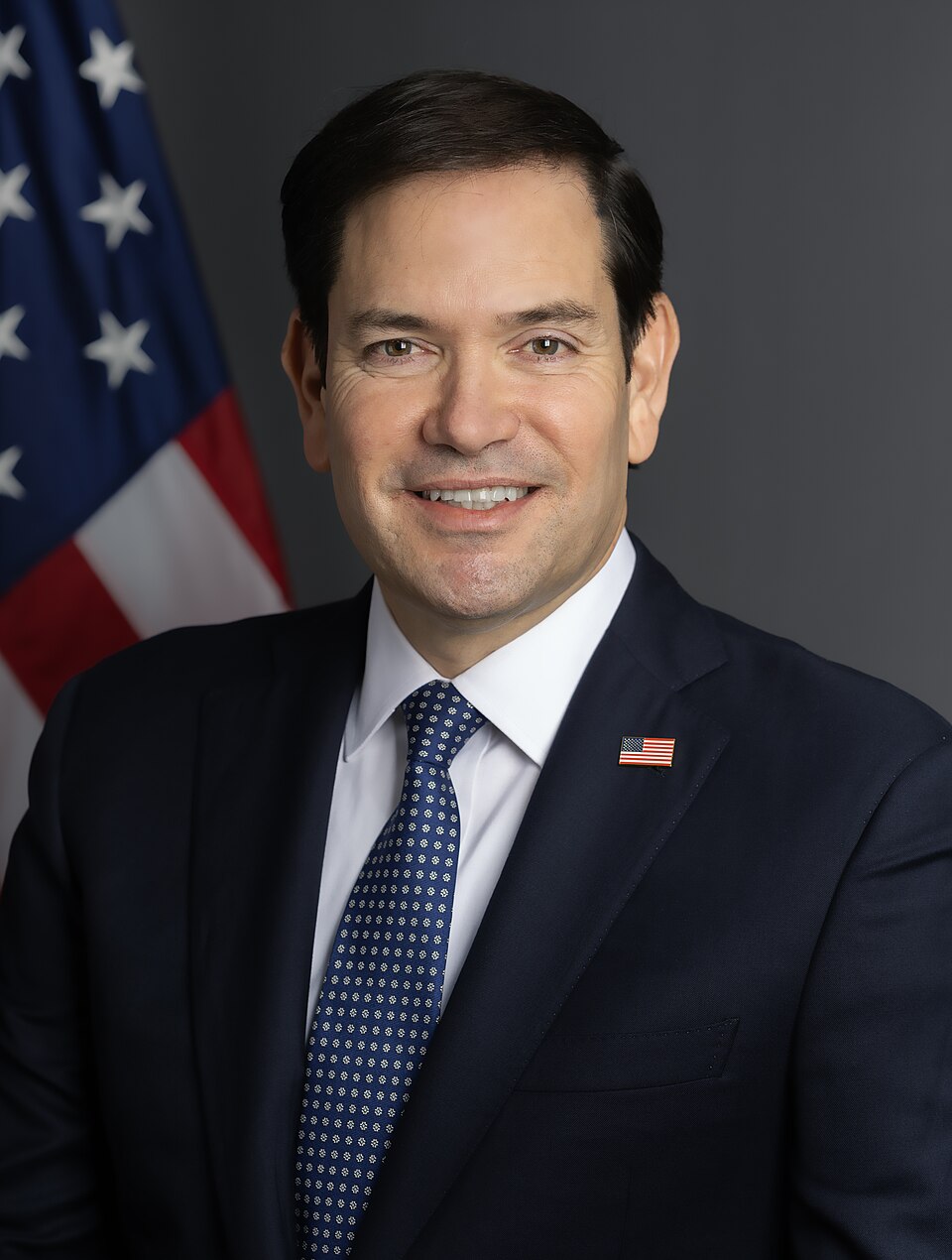
The reason so many in US media keep putting out fake stories like this one is because they continue to rely on charlatans & liars claiming to be in the know as their sources. https://t.co/mfzZbeO9UT
View original →Norma's Analysis
This tweet reveals several important moral commitments about truth, expertise, and institutional responsibility. At its core, Rubio is making claims about epistemic virtue - the idea that certain character traits like honesty, careful sourcing, and intellectual integrity are essential for good journalism and democratic discourse.
The tweet operates within a virtue ethics framework, focusing not just on whether specific stories are true or false, but on the character flaws of journalists and their sources. By calling sources "charlatans & liars," Rubio suggests that moral character is fundamental to trustworthy reporting. This connects to ancient philosophical traditions, particularly Aristotle's emphasis on how virtuous character leads to reliable judgment and action.
However, this moral framework also reveals some hidden tensions. While promoting epistemic virtue is valuable, the tweet simultaneously engages in what philosophers call ad hominem reasoning - attacking the character of sources rather than addressing the substance of their claims. Additionally, there's an implicit claim about epistemic authority: who gets to decide which sources are trustworthy? Rubio positions himself as having special insight into media reliability, which raises questions about competing claims to expertise.
The underlying values here - transparency, accountability, and truthfulness in public discourse - are widely shared. But the approach raises important questions about whether character attacks actually serve these values, or whether they might undermine the very institutional trust and good-faith dialogue necessary for a healthy democracy.