
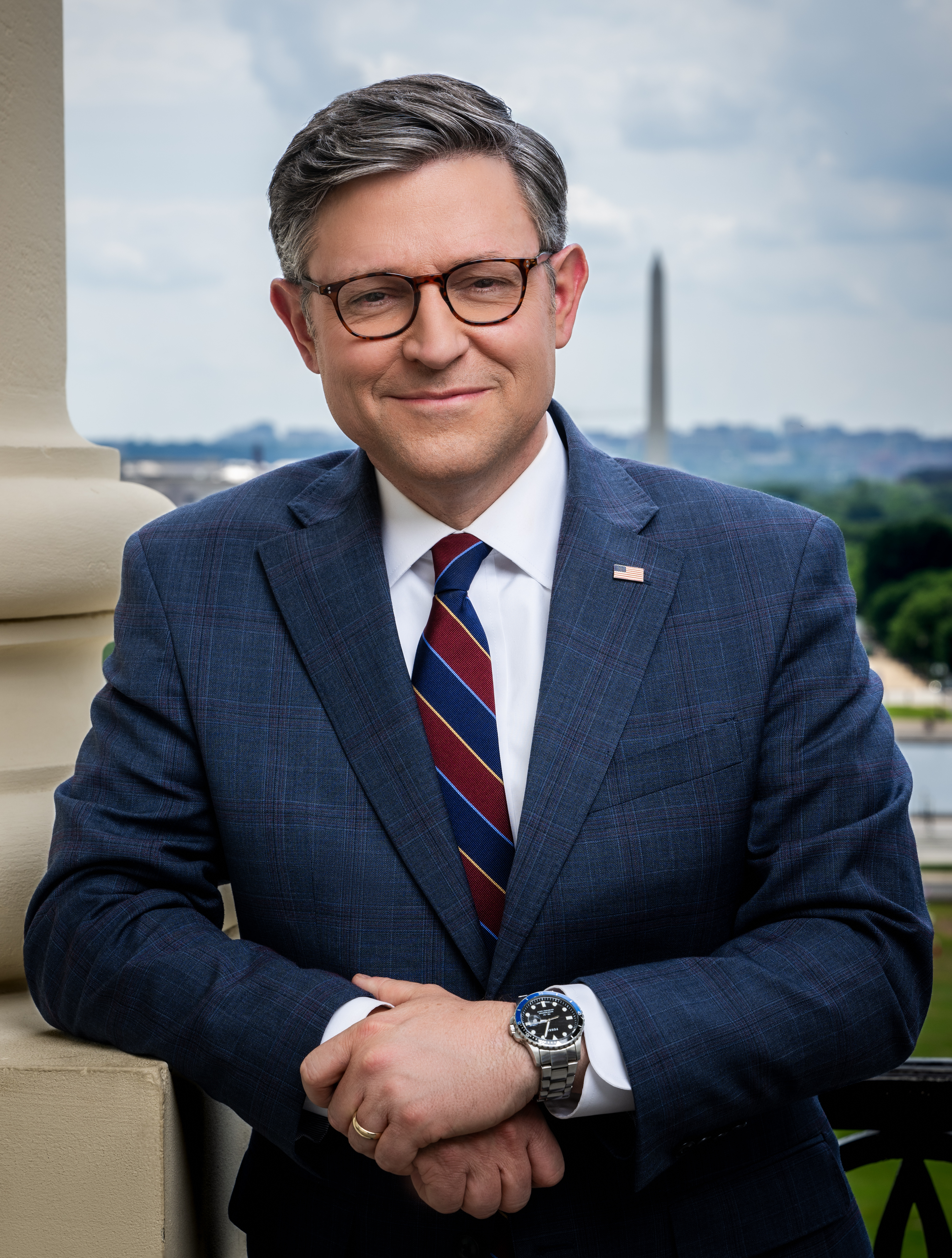
While the Democratic Party is in disarray and being overrun by the radical Marxist left, Republicans are keeping our promises and delivering important results to improve the lives of all Americans. Great conversation with @kayleighmcenany this morning on how Republicans are fighting to restore common sense, security and prosperity for all Americans.
View original →Norma's Analysis
This tweet makes several normative claims - statements about what is good, right, or valuable - that reveal specific moral commitments. The speaker presents a clear moral framework based on traditional conservative values: "common sense, security and prosperity" are positioned as inherent goods that should guide political action.
The tweet employs what philosophers call consequentialist reasoning - judging political parties by their results and outcomes rather than their intentions. Republicans are praised for "delivering important results" and "improving lives," suggesting that the moral worth of political action lies in its practical effects. This connects to the utilitarian tradition in ethics, which evaluates actions based on whether they increase overall well-being and happiness.
However, the tweet also reveals tension between different moral frameworks. The attack on "radical Marxist left" ideas suggests a virtue ethics approach - the belief that certain political philosophies are inherently corrupting regardless of their outcomes. This mirrors classical concerns about how different political systems shape human character, dating back to Aristotle's analysis of constitutions.
The phrase "all Americans" appears twice, invoking the moral value of universalism - the idea that good policies should benefit everyone equally. Yet this universal language sits alongside partisan framing that divides Americans into opposing camps. Critics might argue this creates a contradiction: if one party represents dangerous radicalism, can policies truly serve "all Americans"? This tension reflects deeper philosophical questions about whether moral and political unity is possible in diverse societies.