
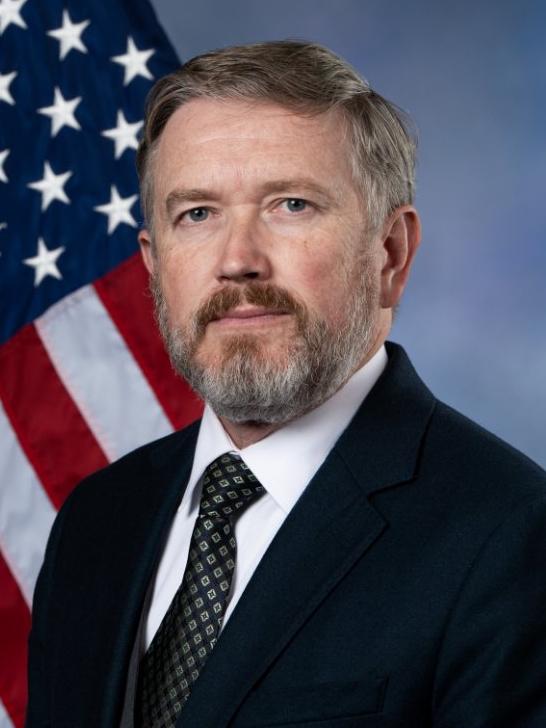
If the provision in the NDAA to integrate/synchronize the U.S. and Israeli militaries (section 224) makes it out of committee, I’ll offer an amendment to strip it from the bill on the floor. We are a sovereign country. https://t.co/HwvSXXxKlW https://t.co/2vIkjLatEE
View original →Norma's Analysis
This tweet reveals a fundamental tension between national sovereignty and international cooperation that has deep roots in political philosophy. Rep. Massie's objection rests on the core value that America should maintain complete independence in military decision-making, reflecting what philosophers call political autonomy - the idea that legitimate authority comes from within a political community, not from external sources.
The phrase "We are a sovereign country" invokes Westphalian sovereignty, a principle dating back to 1648 that each nation has supreme authority within its borders. This connects to philosophical debates about whether moral duties to other nations (like protecting allies) can ever override duties to one's own citizens. Massie appears to prioritize what ethicists call particularist obligations - special duties we owe to our own political community over universal duties to humanity broadly.
However, this position faces challenges from cosmopolitan ethical frameworks, which argue that moral obligations transcend national boundaries. Philosophers like Immanuel Kant argued that lasting peace requires nations to cooperate through international institutions, even if this means some loss of independence. Modern just war theorists might also argue that military cooperation with democratic allies serves both American interests and global stability.
The underlying question is whether sovereignty is an absolute value or one that must be balanced against other goods like collective security, alliance solidarity, and global stability. Massie's stance reflects a more isolationist tradition in American thought, while supporters of such military integration likely draw on internationalist principles that see cooperation as enhancing rather than diminishing true security.